
Table of Contents
ToggleIn a world where cat videos reign supreme and podcasts are the new bedtime stories, understanding the definition of arts audio/video technology and communications is more important than ever. This dynamic field combines creativity and technology, transforming how we express ideas and connect with audiences. Whether it’s crafting a viral TikTok or producing a cinematic masterpiece, this realm is where innovation meets imagination.
Overview of Arts Audio/Video Technology and Communications
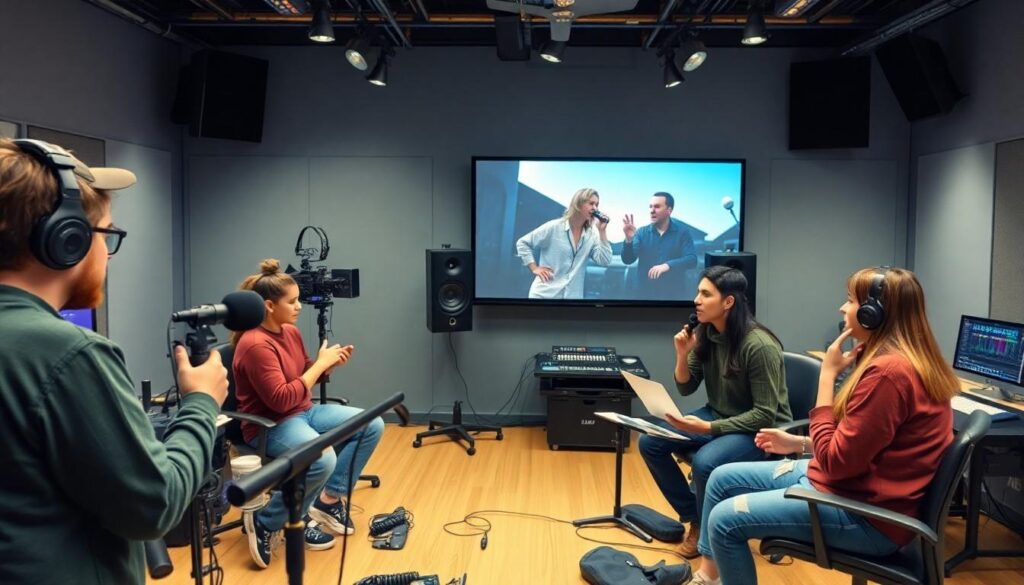
Arts audio/video technology and communications merge creative expression with advanced technological tools. This field encompasses various disciplines, such as film production, sound design, and digital media. Artists employ techniques to capture and manipulate sound and visuals, creating engaging experiences for audiences.
Emerging technologies play a vital role in this sector. For instance, virtual reality (VR) and augmented reality (AR) provide innovative platforms for storytelling. Filmmakers use these technologies to immerse viewers in their narratives, enhancing their emotional connection.
Streaming services illustrate a significant shift in content consumption. Creators utilize audio/video technology to produce films and series that reach global audiences. High-definition sound and visuals elevate the viewing experience, compelling viewers to engage with content for extended periods.
Interactivity is a key component of modern communication. Social media platforms empower users to share their creations instantly. Artists connect with audiences directly, fostering communities around their work and paving the way for collaborative projects.
Education provides another crucial aspect of this field. Institutions offer programs in audio/video technology and communications, equipping students with essential skills. Industry-standard equipment and software ensure learners are prepared for real-world challenges upon graduation.
Overall, arts audio/video technology and communications reshape how individuals express creativity and share ideas. The blending of art and technology not only enhances the artistic process but also transforms audience engagement and participation in the digital age.
Historical Background
Arts audio/video technology and communications have a rich history that reflects the evolution of creative expression. The development of audio and video tools transformed how artists produce and share their work.
Evolution of Audio/Video Technology
Early innovations include the phonograph, which allowed sound to be recorded and played back. This breakthrough paved the way for subsequent developments, such as magnetic tape recording in the 1940s. Digital technology emerged in the late 20th century, revolutionizing audio and video through formats like CDs and MP4s. With the advent of software for editing and sound design, creators gained greater control over their projects. Today, advancements in virtual reality and 4K resolution have pushed the boundaries of what artists can achieve. Each phase of development showcases the continuous blend of technology and creativity.
Impact on Communication Methods
Communication methods have transformed significantly due to advances in audio/video technology. Video sharing platforms like YouTube have changed how messages reach audiences. Artists can now interact directly with viewers, fostering engaged communities. The rise of social media allows for instant sharing and feedback, enhancing audience participation. Streaming services have enabled global access to high-quality content, breaking geographical barriers. Such tools have redefined how ideas are communicated and absorbed, moving beyond traditional methods to include immersive experiences. Each innovation has reshaped dialogue, connecting people in new ways.
Key Components of Arts Audio/Video Technology
Arts audio/video technology encompasses vital elements that drive creativity in various forms of media. Two essential aspects of this field include audio technology and video technology, each contributing significantly to modern communication.
Audio Technology Essentials
Audio technology focuses on the capture, manipulation, and playback of sound. Mic placement impacts audio quality in recording sessions, while audio interfaces facilitate connections between microphones and computers. Mixing consoles allow for real-time adjustments of sound levels and effects. Software like Pro Tools or Logic Pro enables artists to edit tracks efficiently. Digital audio workstations streamline production workflows and enhance creativity. Higher sample rates and bit depths improve overall sound fidelity, attracting musicians and sound designers alike. Sound design not only shapes the auditory experience but also reinforces storytelling across various platforms.
Video Technology Essentials
Video technology involves the processes used in recording, editing, and distributing visual content. Cameras equipped with advanced sensors capture high-definition footage, while lenses determine depth and clarity. Editing software like Adobe Premiere or Final Cut Pro offers sophisticated tools for cutting and refining videos. Color grading enhances the visual aesthetics, allowing creators to set moods and themes. Compression formats, such as H.264, optimize file sizes for streaming without sacrificing quality. Motion graphics and visual effects elevate storytelling by adding dynamic elements. Understanding these components enables creators to produce captivating video content that resonates with audiences.
Applications in Modern Communication
Modern communication heavily leverages arts audio/video technology across various sectors. This melding of creativity and technology enhances the way information is disseminated and received.
Educational Uses
Educational institutions utilize audio and video technology to enrich learning experiences. Students engage with interactive materials through platforms like Moodle and Canvas. Teachers create dynamic lectures using tools like screencasting and presentation software. These methods facilitate remote learning and support diverse learning styles. Skills gained in audio and video production prepare students for careers in digital media. Programs across colleges and universities emphasize hands-on training with industry-standard equipment.
Entertainment Industry
The entertainment industry embraces audio and video technology for compelling storytelling. Streaming platforms depend on high-quality visuals to captivate audiences worldwide. Filmmakers use advanced editing software to craft seamless narratives. Sound design elevates viewer experiences through immersive audio effects. Live events also utilize innovative technology to enhance audience engagement. Concerts and performances incorporate visual effects and direct audience interaction through social media streams. Such advancements revolutionize content consumption, making it more accessible and engaging.
Future Trends in Arts Audio/Video Technology
Technological advancements continue to drive changes in arts audio/video technology, shaping how artists create and engage with their audiences. Future trends hint at exciting innovations.
Innovations on the Horizon
Emerging developments in artificial intelligence promise to revolutionize audio and video production processes. AI tools simplify tasks such as editing, allowing for automatic scene detection and color correction. Virtual reality experiences will enhance viewer engagement, enabling immersive storytelling that captivates audiences. Augmented reality applications will expand the scope of live performances by overlaying digital elements in real-time. Advances in 8K resolution technology ensure even finer detail in visual content, pushing creative boundaries. These innovations set the stage for a new era of artistic expression.
Potential Impact on Society
Society stands to gain significantly from these technological advancements. Improved accessibility features in audio and video content will empower individuals with disabilities to engage more fully with media. Creativity can flourish in educational settings, where new tools enable interactive learning experiences that appeal to various learning styles. Cultural exchange will become even more prevalent as global audiences connect through high-quality content. Psychological benefits arise from enhanced storytelling techniques, allowing for deeper emotional connections with narratives. Overall, these trends enhance communication and elevate the collective cultural experience.
Arts audio/video technology and communications represent a dynamic intersection of creativity and innovation. As this field continues to evolve, it shapes how individuals and communities express themselves and connect with one another. The integration of advanced technologies enhances storytelling and fosters immersive experiences that resonate with diverse audiences.
With the rapid advancements in tools and platforms, creators have unprecedented opportunities to reach global viewers. The ongoing development of technologies like AI and 8K resolution promises to further redefine artistic boundaries and accessibility. As these trends unfold, they not only enrich the cultural landscape but also empower future generations to engage in meaningful dialogue through their creative endeavors.