
Table of Contents
ToggleIn a world where even your toaster can send you a text, the Internet of Things (IoT) has become the new buzzword that everyone’s talking about. But what’s behind the magic? Enter the IoT icon—a symbol that represents the interconnectedness of devices, making life easier and a bit more fun. Imagine a world where your fridge knows when you’re out of milk before you do. Sounds like a sci-fi dream, right?
The IoT icon isn’t just a pretty picture; it’s a gateway to a smarter lifestyle. With each click, tap, or swipe, users step into a realm where everyday objects communicate and collaborate. So buckle up, because understanding the IoT icon isn’t just about tech jargon; it’s about embracing a future where convenience reigns supreme and your devices have your back.
Overview Of IoT Icon
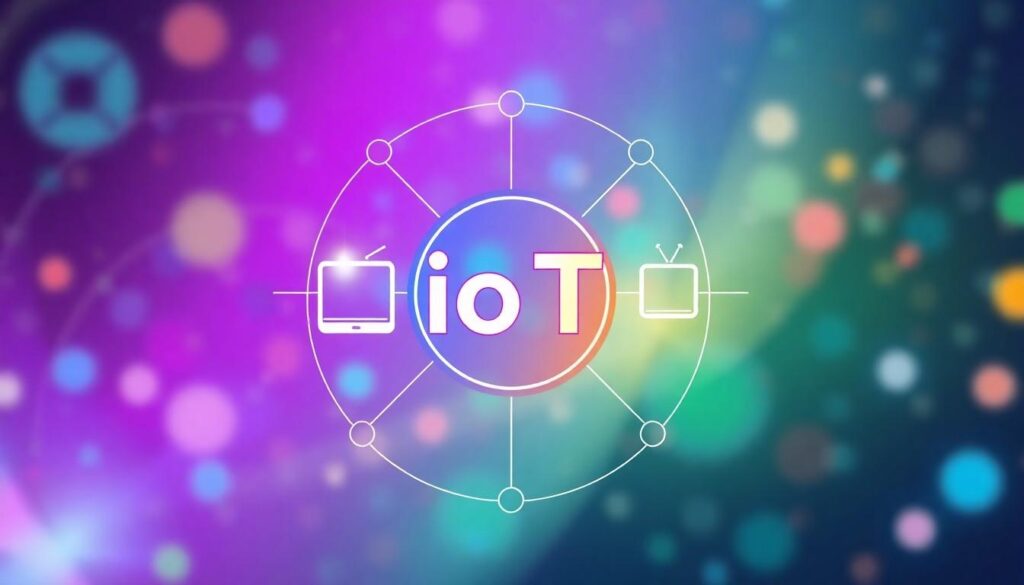
The IoT icon serves as a visual representation of the Internet of Things. It signifies the connection between various devices and systems. In modern applications, this icon often depicts interconnected nodes, symbolizing data exchange among smart devices.
Visual elements play a crucial role in understanding IoT’s significance. Designers prioritize clarity and immediacy in the IoT icon to facilitate quick recognition. Many users associate the IoT icon with smart home technology, wearables, and industrial automation.
The usage of an IoT icon extends beyond mere aesthetics. Businesses incorporate it on websites and promotional materials to highlight their IoT capabilities. Recognition of the icon helps consumers identify services that enhance their daily lives, from connected appliances to smart cities.
Representations of the IoT icon can vary. Some designs focus on technical symbols, while others emphasize everyday objects. Consider smart refrigerators or connected security systems; they illustrate IoT applications that increase efficiency and convenience.
Overall, an effective IoT icon communicates the essence of the technology. It conveys the promise of a more interconnected future, emphasizing improved functionality and user experience. As IoT continues to evolve, the icon remains a vital part of its identity, helping bridge the gap between complex technology and user engagement.
Features Of IoT Icon
The IoT icon showcases several key features that enhance its functionality and recognition in the digital landscape. Understanding these features offers insight into the importance of effective design in conveying the essence of IoT.
User Interface Design
User interface design focuses on creating an intuitive visual experience. Designers prioritize simplicity, ensuring that users easily recognize the IoT icon. Engaging layouts help clarify the purpose of connected devices. Intuitive designs often use colors and shapes to convey connectivity and functionality. User feedback contributes to refining these designs, enhancing overall user satisfaction.
Compatibility With Devices
Compatibility with devices stands as a crucial feature of the IoT icon. The icon must work seamlessly across various platforms and systems. Designers create adaptable icons that display well on smartphones, tablets, and desktops. Customized versions might exist for specific applications, ensuring consistency in branding. Flexibility in design fosters wider recognition of IoT services and enhances user engagement across devices.
Importance Of IoT Icons In Communication
IoT icons play a vital role in facilitating communication between users and devices. Their design directly influences how effectively individuals can interact with IoT technology.
Enhanced User Experience
An intuitive IoT icon significantly enhances the user experience. Clarity in visual representation allows users to recognize and understand functions immediately. Engaging designs attract attention while promoting ease of use. Users appreciate simplicity, which reduces frustration during interactions. With well-crafted icons, users effortlessly navigate complex systems, increasing overall satisfaction. Color choices and shapes contribute to conveying functionality, making interactions feel seamless. Designers prioritize user feedback to refine these aspects further, ensuring the icons resonate well with the target audience.
Streamlined Information Sharing
Effective communication relies on streamlined information sharing. An IoT icon serves as a recognizable reference point for various devices and systems. Quick identification enhances users’ ability to access relevant services, saving time and effort. Icons bridge the gap between technical jargon and everyday understanding, enabling better comprehension for all users. Clear visual cues foster clearer communication, promoting user engagement. Marketers leverage IoT icons to showcase capabilities, positioning brands as leaders in innovation. Consistency in design across platforms ensures information remains unified, enhancing recognition.
Best Practices For Using IoT Icons
Using IoT icons effectively requires attention to several best practices. Focusing on design consistency and accessibility significantly enhances user experience.
Consistency In Design
Design consistency plays a vital role in user recognition. Icons adhere to visual standards across various platforms, including smartphones, tablets, and desktops. Uniform color schemes and shapes help users identify the IoT icon quickly and easily. This uniformity contributes to a cohesive brand image. Likewise, employing similar design elements fosters familiarity, supporting users in navigating services effortlessly. Consistent design across applications makes the IoT icon a reliable reference point for users seeking connectivity solutions.
Accessibility Considerations
Prioritizing accessibility when creating IoT icons is crucial for reaching all users. Icons should accommodate individuals with disabilities, using clear visuals and contrasting colors for better visibility. Incorporating alt text offers additional context for screen readers, ensuring inclusivity. Utilizing scalable vector graphics allows icons to remain legible across diverse screen sizes, enhancing user engagement. Additionally, testing designs with diverse user groups can reveal potential usability issues, enabling designers to refine icons for broader accessibility. Overall, focusing on accessibility ensures the IoT icon serves a wide audience effectively.
Future Trends In IoT Icon Design
Emerging trends in IoT icon design reflect the dynamic nature of technology and user needs. Focus shifts towards simplicity, favoring clean and minimalistic designs that enhance recognition. Designers incorporate bold colors and distinct shapes, effectively conveying connectivity and functionality.
Interactivity also plays a crucial role, with icons adapting to user behavior and preferences. Icon designs will likely evolve to support responsive layouts, allowing seamless integration across various devices, including smartphones and tablets.
Sustainability trends impact design choices as well, pushing brands to opt for eco-friendly materials and practices. Innovations in vector graphics enhance scalability, ensuring clarity on all screen sizes.
Customization of IoT icons is gaining traction, allowing users to tailor visual elements according to personal preferences. Increased accessibility features will become standard, integrating options for individuals with disabilities, such as alternative text and high-contrast visuals.
Constant user feedback will streamline design processes, leading to continuous improvement and refinement of IoT icons. Data-driven insights will provide valuable information for designers, guiding decisions to elevate user experience.
Furthermore, the rise of augmented reality (AR) may influence IoT icon design, enabling new interactive experiences. Brands will explore 3D representations of icons, enhancing visual engagement in smart environments.
Overall, these trends indicate a future where IoT icons evolve to better connect technology and users, fostering an enhanced understanding of smart systems.
The IoT icon stands as a pivotal element in bridging the gap between technology and everyday life. Its design not only enhances user experience but also fosters greater engagement with smart devices. As trends evolve towards simplicity and interactivity, the potential for IoT icons to adapt and resonate with users grows.
Future advancements in accessibility and customization will likely make these icons even more integral to how people interact with technology. By prioritizing clear visual communication, businesses can effectively highlight their IoT capabilities and contribute to a more connected world. Embracing these developments will ensure that the IoT icon remains a key symbol of innovation and convenience in the digital landscape.