
Table of Contents
ToggleIn today’s tech-savvy world, school audio visual technology isn’t just a nice-to-have; it’s a must-have. Gone are the days of dusty overhead projectors and awkwardly tangled wires. Instead, classrooms are transforming into dynamic hubs of creativity and engagement, where students can dive into immersive learning experiences that make even the most stoic history lesson feel like a blockbuster film.
Overview of School Audio Visual Technology
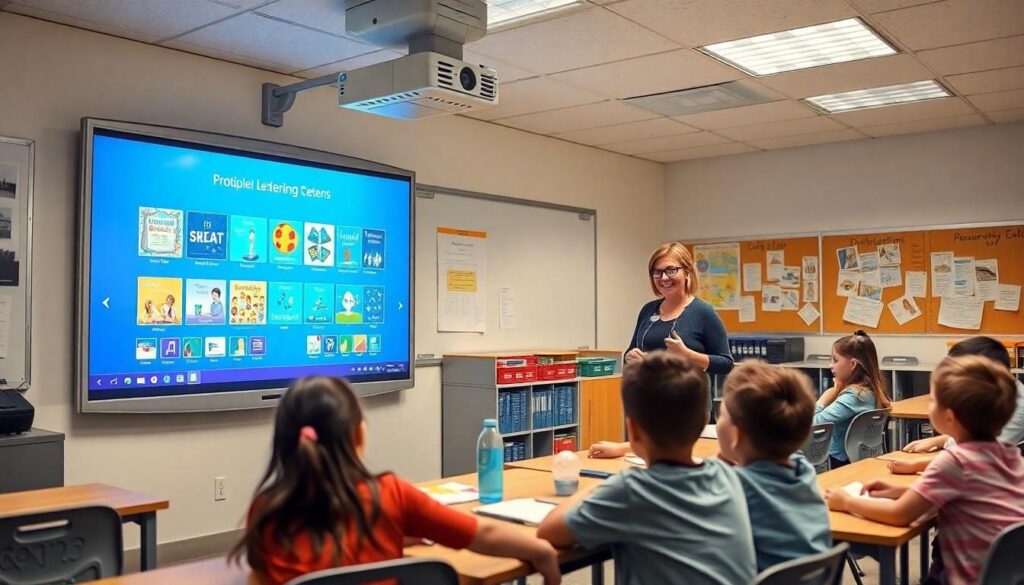
School audio visual technology encompasses various tools that enhance educational delivery. Equipment such as smartboards, digital projectors, and interactive displays facilitate interaction between educators and students. These technologies often improve communication and comprehension in learning environments.
Several components contribute to this technological ecosystem. Video conferencing systems allow remote learning, connecting students and teachers regardless of location. Audio systems amplify sound, ensuring every student hears instructions clearly, which is crucial for engagement.
In addition, educational software integrates with hardware to create a dynamic learning experience. Learning management systems support the distribution of materials and communication between all parties involved. The use of multimedia presentations fosters creativity and helps students retain information better.
Various benefits arise from leveraging audio visual technology in classrooms. Enhanced student participation leads to improved academic performance. Collaborating with peers becomes easier, enriching the learning experience. Moreover, this technology prepares students for future careers that often require tech proficiency.
Funding and support for implementing audio visual technologies are critical. Schools must prioritize budgeting for necessary equipment and training. Engaging stakeholders will promote the importance of these tools in developing modern learning environments.
Adopting school audio visual technology ensures that educators can meet diverse learning needs. It plays a key role in creating inclusive classrooms that invite all learners to engage and succeed.
Benefits of School Audio Visual Technology
School audio visual technology significantly enhances the learning experience and engagement levels in classrooms. Many educational institutions now recognize its value in creating a dynamic learning environment.
Enhanced Learning Experiences
Enhanced learning experiences stem from the integration of audio visual tools such as smartboards and digital projectors. These tools facilitate interactive lessons, making complex concepts easier to understand. Educators can utilize educational software alongside hardware, allowing for multimedia presentations that capture student interest. Students benefit from a blend of visual and auditory stimuli, which aids retention and comprehension. Visual aids also support various learning styles, accommodating students who grasp content better through images and videos. Overall, incorporating these technologies transforms traditional lessons into immersive educational journeys.
Increased Student Engagement
Increased student engagement occurs when classrooms leverage audio visual technology effectively. Engaged students are more likely to actively participate and collaborate with peers. Video conferencing systems enable real-time interaction, especially in remote learning scenarios. Interactive displays encourage students to contribute ideas and ask questions, fostering a collaborative atmosphere. Moreover, audio systems ensure clear communication, vital for maintaining attention. Enhanced participation leads to improved academic performance, as students develop a deeper connection with the material presented. Prioritizing this technology cultivates an inclusive environment where all learners thrive.
Types of School Audio Visual Technology
Various types of audio visual technology play a crucial role in enhancing classroom experiences. Each tool contributes uniquely to interactive learning environments.
Projectors and Screens
Digital projectors allow educators to share multimedia content with the entire class. High-definition visuals enhance clarity, making complex information easily digestible. Schools often pair projectors with large screens to ensure visibility for all students, regardless of seating arrangement. Many modern projectors feature wireless capabilities, promoting seamless connectivity with devices. Teachers can present lessons directly from laptops, tablets, or smartphones, streamlining instructional delivery.
Audio Equipment
Audio systems comprise microphones, speakers, and sound processing units that ensure educators’ messages reach every student. Enhanced sound clarity is particularly important in larger classrooms or auditoriums. Many schools invest in portable sound systems, enabling flexibility for various teaching settings, including outdoor sessions. Some audio equipment features built-in amplifiers, which enhance voice projection without straining. Quality audio components significantly improve communication, making lectures more engaging for all learners.
Interactive Whiteboards
Interactive whiteboards elevate classroom participation by enabling hands-on engagement with digital content. Educators can annotate lessons in real-time, which allows students to interact directly with the material. Many boards integrate seamlessly with various educational software, expanding learning opportunities. Educators appreciate the ability to save and share annotations for review later. Interactive whiteboards cater to different learning styles, ensuring that every student’s needs are met while maintaining a dynamic learning environment.
Implementation Challenges
Implementing audio visual technology in schools presents several challenges that require attention. Addressing these hurdles is essential for successful integration.
Budget Constraints
Budget constraints often pose significant hurdles for schools. Limited funding affects the acquisition of necessary equipment, which can lead to delays in implementation. Schools might prioritize basic resources, diverting funds away from technology upgrades. The need for ongoing maintenance and support compounds financial issues. Proper budgeting for training ensures staff can effectively use new tools, but this often requires additional funding. Seeking grants and partnerships can alleviate some financial burdens, providing alternative funding avenues for necessary technology investments.
Technical Support
Technical support plays a critical role in the effective use of audio visual technology. Schools may lack the in-house expertise needed to maintain and troubleshoot equipment. Insufficient technical support can hinder teachers’ ability to utilize technology fully, impacting the learning experience. Some institutions might depend on external vendors for assistance, which can lead to delays and increased costs. Establishing a reliable technical support system becomes vital, as it ensures that teachers and students can access help when necessary. Training staff to manage minor issues can improve overall functionality and boost confidence in using these tools.
Future Trends in School Audio Visual Technology
Emerging technologies shape the future of audio visual systems in schools. Innovations like augmented reality (AR) and virtual reality (VR) create immersive learning experiences that engage students beyond traditional methods. These technologies enable learners to explore complex subjects interactively, enhancing both comprehension and retention.
Additionally, artificial intelligence (AI) tools streamline the use of audio visual technology in classrooms. AI-driven applications can personalize learning by analyzing student performance and adjusting content delivery based on individual needs. This adaptability ensures that educators address diverse learning styles effectively.
Cloud-based solutions also play a significant role in shaping the future landscape. By integrating storage and software accessibility, these platforms ensure that teachers and students can access resources anytime, anywhere. Increased connectivity fosters collaboration, allowing students to engage in projects and discussions seamlessly across different locations.
Integrating Internet of Things (IoT) devices into audio visual setups enhances classroom functionality. Smart devices can be interconnected, permitting educators to control multiple tools from a single interface. This connectivity streamlines lesson delivery, making it easier to shift between various media formats.
Sustainability has become a growing concern, prompting the development of eco-friendly audio visual equipment. Schools may increasingly prioritize energy-efficient devices that reduce their carbon footprint. Making this switch not only supports environmental responsibility but also leads to long-term cost savings on utility bills.
Adopting these trends provides schools with the opportunity to create engaging learning environments. As advancements continue, educational institutions must stay abreast of these developments to maximize their benefits and ensure a future-ready learning experience.
Embracing audio visual technology in schools is vital for fostering an engaging and effective learning environment. As classrooms evolve, the integration of innovative tools enhances both teaching and learning experiences. By prioritizing funding and support, schools can overcome implementation challenges and ensure that educators and students fully benefit from these advancements.
The future of education relies on the continued adoption of emerging technologies like AR, VR, and AI, which promise to personalize learning and enhance collaboration. As schools invest in these resources, they not only prepare students for the demands of the modern world but also create inclusive spaces that cater to diverse learning styles. Ultimately, leveraging audio visual technology is essential for cultivating a vibrant educational landscape that inspires creativity and active participation.